Cribs Estates Ltd
Back to the blogs list

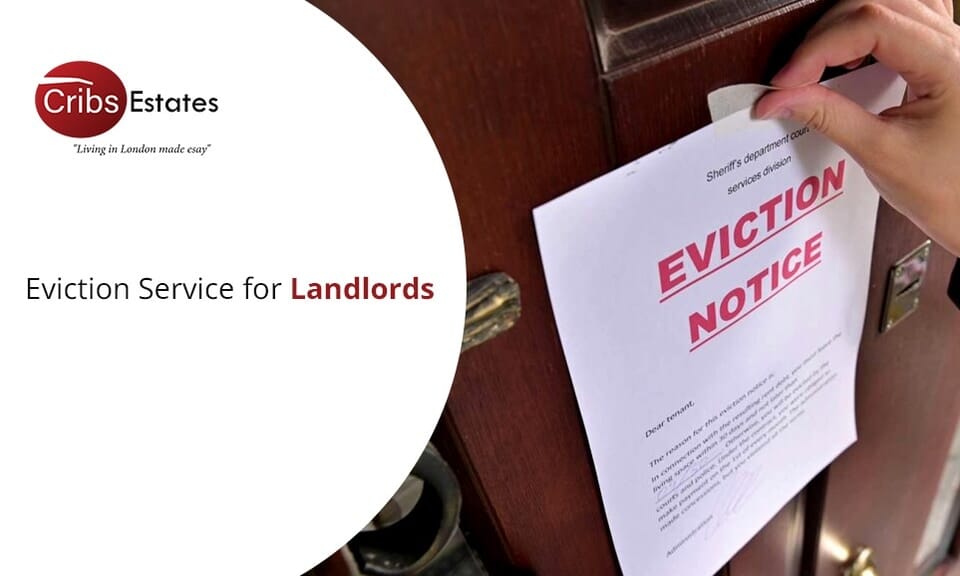
Eviction Service for Landlords​

Eviction Service for Landlords?

If you're a landlord, you'll probably agree that evicting a tenant is never easy. Still, it sometimes becomes necessary for the protection of the property or other valid reasons. Whether the issue is pending rent arrears or property damage, or even a breach in the tenancy agreement, going around the eviction road can be a stressful job. That is why professional eviction service for landlords is on the rise in London.

In the UK, the eviction process requires a deep understanding of legal procedures, notice periods, and compliance with laws. For landlords facing a similar issue, here’s a blog that can save them time and legal headaches. 

When is an eviction service needed?

It’s a highly complex question, but landlords often try to resolve their issues by directly talking to tenants. When this fails, especially in cases where rent arrears are pending or behavioral issues are present, eviction becomes practical. In England, landlords must follow legal compliance, so they cannot simply ask tenants to evict without a valid reason. 

In the event of a wrong notice or failure to follow the legal process, landlords may face court proceedings, penalties, or the court rejecting the eviction notice. This is why landlords hire eviction services to handle this issue professionally.  

What does an eviction service for Landlords do?

The eviction service handles the entire legal process of evicting tenants legally and returning possession to the landlords. These services may include:

  1. Drafting the eviction notices and serving them legally under sections 8 and 21. 

  2. Making sure the notices comply with legal laws.

  3. Attaching all court applications in case of any legal possession.

  4. Arranging court bailiffs or High Court officers if they are needed. 

  5. Assisting landlords with their rights to avoid any hefty fines. 

Some services also provide legal representation in court, keeping you informed at every stage of the process.

Section 21 vs Section 8: What’s the difference?

A good eviction service will advise you on whether a Section 21 or Section 8 notice is appropriate.

Section 21 is often used for ‘no fault’ evictions — for example, if a landlord simply wants their property back after the fixed term of the tenancy has ended. However, there are strict requirements, such as having provided a valid Energy Performance Certificate, Gas Safety Certificate, and a copy of the How to Rent guide.

Section 8 is used when a tenant has broken the terms of their tenancy agreement — usually due to rent arrears, anti-social behaviour, or property damage. The notice must specify the grounds for eviction and include relevant evidence.

Choosing the wrong route or failing to meet these requirements can cause delays or invalidation, which is why an expert service is so valuable.

Eviction timeframes and delays

The eviction process can take anywhere from a few weeks to several months, depending on the circumstances and how cooperative the tenant is. If the tenant leaves voluntarily after receiving a notice, the process is fairly straightforward.

However, if the tenant refuses to leave, landlords may need to apply for a possession order from the court. In some cases, enforcement action via court bailiffs or High Court officers may be necessary, which adds further time and cost.

An experienced eviction service helps avoid unnecessary delays by ensuring every step is done correctly and efficiently. They know how to prepare and present the case in a way that aligns with current legal expectations.

Cost of eviction service for Landlords in the UK

Costs vary depending on the level of support required. A simple notice service might cost under £200, whilst full court representation and bailiff involvement can rise to £1,000 or more.

Some providers offer fixed-fee packages that include the entire process from notice to possession, which gives landlords clarity and peace of mind. Considering the potential cost of rent loss, property damage, or legal errors, professional services are often well worth the investment.

Can landlords evict tenants themselves?

Technically, landlords can serve notices and apply to court themselves. However, the law is complex and always changing. Mistakes are common and can cost time, money, and credibility in court.

For example, serving a Section 21 notice without having protected the tenant’s deposit in a government-approved scheme makes the notice invalid. Similarly, issuing a notice without correct dates or documentation often leads to failure in court.

A professional eviction service ensures that every legal requirement is met, reducing stress for landlords and ensuring the best chance of a successful outcome.

How Cribs Estates Can Help

At Cribs Estates, we understand how challenging and sensitive the eviction process can be. Our experienced team provides reliable, legally compliant eviction services for landlords across London and beyond.

We’ll guide you through every stage, from serving the correct notice to court representation and enforcement, all whilst keeping your property and interests protected. Whether you're dealing with rent arrears, tenancy breaches, or simply need your property back, we offer fast, effective, and discreet solutions tailored to your situation.

Let our professionals handle the legalities, so you can focus on what matters most — maintaining a successful property investment. Get in touch with Cribs Estates today for expert eviction support and peace of mind.


Shared on social media

Comments


Enquiry form

Title
First name*
Last name
Phone*
Email*
Enquiry details
  
Send Enquiry

Latest Blogs

Letting Agent Fees UK: A Guide for Landlords

One of the most important steps before renting out a property is to understand a typical letting agent fees UK. But, it’s not that simple because it varies according to service, location, and the involvement of landlord. If you’re thinking about letting, this blog helps breakdown the average fees letting agents charge in UK and what does it includes so you can stay informed. Who Pays Letting Agent Fees in the UK?In England, the Tenant Fees Act 2019 changed the lettings structure. Landlords now pay the majority of letting agent costs, instead of the tenants. As a result, transparency around letting agent fees UK has become far more important, especially for first-time landlords.Whilst tenants are protected from extra charges, landlords should carefully review what services are included in an agent’s fee and whether VAT is added on top.How Letting Agent Fees Are Usually ChargedMost letting agents charge either a percentage of the rent or a fixed fee, depending on the service. Fees are commonly structured as a percentage of the monthly or annual rent, with VAT often charged separately.When comparing the letting agent fees in the UK, it’s important to look beyond the headline percentage and understand exactly what you are paying for.Typical Letting Agent Fees UK by Service TypeLet Only FeesLet only services are for landlords who want help finding tenants but plan to manage the property themselves. Letting agent fees in the UK for let-only services are usually:Around 8%–12% of the annual rent, orA fixed fee of approximately £500–£1,500, depending on the property and locationThis usually covers marketing, viewings, referencing, collecting checks, and preparing the tenancy agreement. Ongoing management and compliances remain the landlord’s responsibility.Rent Collection FeesRent collection is a middle-ground option for landlords who want help managing payments but not day-to-day property issues. The fees for rent collection are often:Around 5%–8% of the monthly rentThis service usually includes collecting rent, issuing statements, and chasing arrears if needed, while repairs and compliance remain with the landlord.Fully Managed Letting FeesFully managed services are the most popular option, particularly in London and South London. The fees for full management generally fall between:10%–15% of the monthly rent, plus VATThis level of service usually includes tenant management, maintenance coordination, regular inspections, compliance reminders for gas safety and electrical checks, and handling tenant queries. In higher-demand areas, fees may sit toward the upper end of this range due to increased regulatory requirements.Extra Costs You Should Be Aware OfWhen reviewing the letting agent fees in the UK, landlords should also ask about additional charges. These can include inventory reports, check-in and check-out fees, tenancy renewals, compliance certificates, or maintenance administration costs. These extras are not always included in the main percentage and can significantly affect the overall cost.Legal Responsibilities of LandlordEven when using a letting agent, landlords remain legally responsible for safety and compliance. Letting agents can manage certificates, inspections, and reminders, but the liability ultimately stays with the property owner. This is one reason many landlords choose fully managed services despite higher fees, as they reduce risk and save time.Choosing the Right Letting Agent Fee OptionThe lowest fee is not always the best option. Landlords should consider how much time they have, the type of tenants they expect, and whether they are confident managing repairs, compliance, and communication themselves. It is recommended to check the fees alongside service quality to ensure it leads to better long-term outcomes.How Cribs Estates Helps LandlordsCribs Estates specialises in providing the best letting services tailored to landlords across South London. We focus on clear pricing, reliable tenant selection, and management based on compliance that protects your property and income.Whether you are comparing typical letting agent fees UK or looking for a dependable, hands-on managing agent, our team provides honest advice and practical support to help your hmo property perform at its best.

Read more

Luxury Property Management Services

Cribs Estate specialises in managing luxury, prime, and high-value properties across London. Our experts have years of experience in the property sector, offering custom plans to ensure the highest standard of service. We understand every luxury home is unique and requires an approach reflecting its existing condition, value, and needs.   So whether you own a penthouse, a prime London townhouse, or a luxury apartment, our job is to manage and protect your assets and their value. From household management to security and maintenance, our services offer complete peace of mind. Our Luxury Property Management ServicesWe provide full-service luxury property management across Central, South, and South-West London. Our services include:Household & Concierge ServicesWe offer day-to-day household coordination, staffing, housekeeping, keyholding, and personal assistance.Luxury Maintenance & RepairsWe offer fast response to issues involving plumbing, electrics, heating, AV systems, smart-home technology, and exterior upkeep.Vacant Property Care & SecurityOur experts conduct regular inspections, alarm checks, leak detection, meter readings, and security monitoring for overseas or absentee owners.Project & Refurbishment ManagementWe manage renovations, interior upgrades, furnishing projects, and communication with architects and contractors.Tenant & Guest ManagementWe perform thorough tenant screening, check-ins, inventory, and full management for luxury rented or short-let properties.Financial ManagementOur experts manage your bills, service payments, contractor invoices, detailed cost reporting, and budgeting for long-term property care.Compliance, Insurance & Safety ChecksWe ensure your property complies with legal standards, insurance requirements, safety tests, and maintenance schedules.Who We Manage Luxury Properties ForOur luxury property management services are ideal for:High-net-worth individuals with prime homes in London.Overseas owners and second-home owners who need trusted local representation.Landlords with luxury rental or serviced accommodation.Family offices and private clients requiring household and estate management.Developers of prime new-build apartments seeking ongoing care and management after handover.Benefits of Professional Luxury Property ManagementWe handle all tasks, emergencies, suppliers, and household needs.Your home stays spotless, maintained, and secure at all times.Preservation and enhancement of value through proactive upkeep and expert contractor management.No need to worry about repairs, deliveries, inspections, or resident needs.Our services are designed to protect your privacy and property.Transparent financial management, with clear reporting and budgeting.Why Choose Cribs Estates for Luxury Property ManagementWhen choosing a luxury property manager, you want reliability, discretion, and expertise. Cribs Estates delivers all of this, and more. We:Understand London’s prime neighbourhoods, luxury standards, and trusted contractors.Offer clear, honest pricing with no hidden fees.Manage a growing portfolio of high-value homes and premium rental properties.Provide complete management plans as per requirements.Prioritise security, confidentiality, and legal compliance at every step.Deliver consistent communication and responsive support, 24/7.Areas We CoverOur luxury property management services are available across Central and South London, including:Mayfair - Knightsbridge - Kensington - Chelsea - Belgravia - Battersea - Clapham - Wimbledon - Wandsworth - Richmond - Putney - South Kensington - FulhamLooking to Switch to Cribs Estates?If you're considering a new managing agent, switching to us is simple. We help by:Conducting an initial assessment of your property and needs.Arranging a smooth handover of access, documents, accounts, and contractor details.Creating a custom plan to improve and manage your luxury property.Introducing our team to owners, residents, or household staff.Hire Decade of ExperienceFor dependable and high-quality luxury property management in London, Cribs Estates is your trusted partner. We have the local knowledge, strong contractor relationships, compliance expertise, and hands-on experience to protect your investment and ensure your home is always well-maintained.

Read more

What Is Block Management? A Clear Guide

If you own a flat, live in an apartment building, or manage your block in the UK, you would have heard the term block management. What does this term mean, and who is responsible for it, and what are the services included in it? This guide answers all the questions to understand block management, whether you’re a leaseholder, freeholder, investor, or part of a Residents’ Management Company (RMC).What Is Block Management?Block management refers to managing daily events like maintenance and legal compliance of a residential building that contains multiple flats. It is different from standard property management, which focuses on individual tenancies, block management, and overlooks all aspects shared by residents. This includes:The structure of the buildingCommunal areasGardens and car parksFire safetyService charge budgetingHealth and safety complianceWho Is Responsible for Block Management?LandlordLandlord owns the building and is legally responsible for its safety, structure, and upkeep.Residents’ Management Company (RMC)Leaseholders collectively form an RMC to take control of the building’s management.Right to Manage (RTM) CompanyLeaseholders can legally take over management from the freeholder through the RTM process.Professional Block Management CompanyMost blocks appoint a managing agent because the role is complex and time-consuming. Duties include compliance with the Housing Act 2004, Fire Safety (England) Regulations 2022, and Health and Safety at Work Act 1974.What Does Block Management Include?Building and Communal MaintenanceRoof and exterior repairsCleaning communal areasMaintaining lifts and gatesGardening and grounds upkeepLighting, corridors, and bin areasEmergency and planned repairsSafety and Legal ComplianceFire risk assessmentsEmergency lightingSmoke and heat alarms in communal areasAsbestos checksElectrical safety complianceManaging fire doors and escape routesFinancial & Service Charge ManagementIssuing and collecting service chargesPreparing annual budgetsManaging reserve (sinking) fundsProducing year-end accountsEnsuring transparency with leaseholdersInsurance & Contractor ManagementBuildings insurancePublic liability insuranceManaging repairsOverseeing contractors and maintenance teamsBlock Management vs Property ManagementMany owners confuse the two, but there is a clear difference:Block ManagementFocuses on the building and communal areas:Fire safetyService charge accountingCleaning and maintenanceStructural repairsProperty ManagementFocuses on individual flats:Tenant findingRent collectionTenancy agreementsRepairs inside the flatHow Much Does Block Management Cost?Costs vary depending on:Size of the buildingNumber of flatsAge and condition of the blockLevel of services requiredWhether lifts, concierge, or extensive grounds are includedTypical ranges across the UK:£150–£500 per flat, per year for basic blocks£800–£2,000+ per flat, per year for high-service or modern developmentsWhy Good Block Management MattersProfessional block management helps increase the property value and resident satisfaction. It ensures:The building stays legally compliantService charges remain fair and transparentRepairs are handled promptlyCommunal areas remain clean and safeLong-term maintenance planning protects the property’s valueSigns of Poor Block ManagementIf you notice any of the following, it may be time for a change:Rising service charges without explanationPoor communication from managing agentsSlow repairs or ignored maintenance requestsDirty or neglected communal areasSafety hazards such as broken lights or damaged fire doorsNo clarity on how service charges are being spentCribs Estates Block Management ServicesCribs Estates specialises in helping freeholders, RMCs, RTM companies, and landlords by offering:Clear and transparent service charge budgetingRegular inspections and fast repair handlingFull fire safety and legal compliance management24/7 emergency supportDedicated property managersAccurate financial reporting and contractor oversightFAQs About Block ManagementQ1: Can Renters challenge unreasonable service charges?Yes. Renters can challenge charges through the First-tier Tribunal if they believe costs are unfair or poorly managed.Q2: Do all blocks of flats need a managing agent?Not legally, but most buildings appoint one because the responsibilities are complex and require professional oversight.Q3: How often should service charge accounts be provided?Managing agents should provide annual accounts and regular updates throughout the year for transparency.

Read more

Fire Risk Assessment HMO London

Managing a House in Multiple Occupation (HMO) comes with more safety protocols than standard rentals. The reason is that multiple unrelated tenants are living under one roof, so the risk factor increases, meaning every HMO will have to face strict compliance guidelines. But how often should a fire risk assessment be done in an HMO? And what does London law specifically expect from landlords? This guide gives a clear answer! What Is an HMO Fire Risk Assessment?A fire risk assessment HMO London is a detailed inspection designed to:Identify fire hazardsEvaluate the level of risk to tenantsEnsure escape routes and protection systems are adequateConfirm the property meets the Regulatory Reform (Fire Safety) Order 2005Ensure compliance with HMO licensing regulationsIt covers areas like fire alarms, emergency lighting, fire doors, electrical safety, extinguishers, and tenant behaviour patterns.How Often Should a Fire Risk Assessment Be Done in an HMO?The government requires that all HMOs must have their fire risk assessment reviewed at least once a year. Whilst annual reviews are mandatory, most fire safety experts, including many London councils, recommend a complete reassessment every 3 years, especially for larger HMOs. This ensures your property stays compliant with changing regulations.When Should an HMO Fire Risk Assessment Be Updated Immediately?You must re-do or update the assessment sooner if any of the following occurs:1. Changes to the HMO LayoutIf you renovate, convert a loft, add walls, or modify rooms, the fire escape strategy changes like:Adding new bedroomsChanging the kitchen layoutPartitioning the living roomInstalling new heating or electrical systems2. New Tenants or Changes in OccupancyDifferent groups come with different risks like:Students may cook more oftenFamilies may have more electrical appliancesProfessionals may work from homeVulnerable tenants may require special escape planningA tenant profile shift means the fire risk assessment HMO London must be updated.3. A Fire Incident or Safety Concern OccursEven minor incidents like smoke activation require a new review. This helps identify causes and strengthen safety measures.4. Fire Safety Equipment Is Upgraded or ReplacedIf you install:New alarm systemsUpdated fire doorsFresh extinguishersAdditional emergency lighting5. London Fire Brigade or Council Requests a ReviewHMO licensing officers and fire inspectors often issue recommendations. If they instruct you to update your risk assessment, you must do it immediately.Why Regular Fire Risk Assessments Are Needed?London has one of the highest densities of HMOs in the UK, and councils enforce strict fire safety rules. Staying up to date protects:1. Tenant LivesHMOs have more cooking, more electrical load, more movement and higher fire risks.2. Your Legal CompliancePenalties for non-compliance include:Unlimited finesCriminal prosecutionHMO licence refusalProperty closure notices3. Your Insurance ValidityMost insurers require proof of an updated fire risk assessment for HMOs.4. Your Long-Term Property ValueA safe property is easier to insure, license, maintain, and rent at stable rates.How Cribs Estates Helps HMO Landlords?Cribs Estates is a trusted London-based hmo property managementand compliance service specialising in HMOs. We offer professional, fully documented, and council-approved fire risk assessments that help landlords stay legally compliant.Why HMO Landlords Choose Cribs Estates:We understand the risks associated with multi-tenant properties.Our fire risk assessment reports meet expectations for all boroughs including: Lambeth, Merton, Wandsworth, Haringey, Croydon, Sutton, Kingston, and more.Ideal for landlords applying for or renewing HMO licences.We provide complete fire safety support like: smoke alarm installation, fire door upgrades, emergency lighting, safety documentation, and annual reviews.Whether a small 3-bed HMO or a large 10+ room property, Cribs Estates provides cost-effective solutions.Who Should Perform an HMO Fire Risk Assessment?Choosing an expert ensures:Zero legal gapsAccurate hazard identificationSmooth HMO licence approvalsCompliance with local authority auditsCribs Estates is a reliable option because we specialise in HMO compliance.

Read more

Property search

Residential Lettings
Price
Number of Bedrooms
x